The Allure of Instant Gratification
One of the primary reasons slot machines are so addictive is their ability to provide instant gratification. Players experience immediate rewards when they hit a winning combination, which triggers a rush of dopamine in the brain. This biochemical reaction creates a sense of pleasure and reinforces the behavior of playing, encouraging individuals to continue spinning the reels in hopes of more wins, especially at an online casino fast withdrawal uk where transactions are quick and seamless. For many, this instant feedback can feel exhilarating, making it difficult to walk away even after a losing streak.
Moreover, the designed unpredictability of slot machines enhances this sensation. Players are often drawn in by the anticipation of awaiting victories, as each spin can result in an unexpected payoff. This uncertainty fuels the gambling experience, leaving players enthralled and engaged. As they chase the high of a win, it becomes easy to overlook the losses, leading to prolonged playtime and increased spending, which can quickly spiral out of control.
Additionally, the design elements of slot machines are tailored to maximize the appeal of instantaneous rewards. Bright lights, enticing sounds, and vibrant visuals create an immersive environment that captivates players. These sensory stimuli heighten the excitement, making each spin feel like a unique event. This combination of instant reward and sensory overload can foster an addictive loop, as players continually seek out these thrilling experiences.
The Role of Near Misses
Near misses significantly contribute to the addictive nature of slot machines. A near miss occurs when the symbols on the reels come close to forming a winning combination, leaving players feeling tantalizingly close to a payout. This phenomenon can encourage players to continue playing, as the brain interprets near misses almost like wins, triggering excitement and optimism. Research has shown that near misses can enhance gambling behavior by keeping players engaged and hopeful for a victory.
The psychology behind near misses is fascinating, as they often spark a desire to play just a little longer in hopes of finally hitting that elusive win. This mindset can lead to the misconception that a win is just around the corner, prompting players to chase their luck even when it may not be in their favor. Consequently, this continued engagement with the game can lead to excessive play and financial strain.

Furthermore, slot machines are designed to incorporate near misses into their mechanics, making them an integral part of the experience. Game developers utilize algorithms that often allow players to experience near misses regularly, ensuring that they feel consistently engaged. This clever design taps into the players’ emotions, enhancing their desire to continue playing, even when logic suggests they should stop.
The Impact of Variable Rewards
Another key factor in the addictive nature of slot machines is the concept of variable rewards. Unlike games with fixed outcomes, slot machines offer unpredictable payouts, meaning that players never quite know when they might strike it rich. This variability can create a gambling environment that resembles a reward system, similar to those found in slot machines and other forms of gambling. This unpredictability fuels excitement and encourages players to keep trying, as they are perpetually curious about what the next spin might yield.
Behavioral psychologists have long studied the effects of variable rewards, noting how they can lead to compulsive behaviors. Much like other activities that provide intermittent rewards—such as social media or lottery games—slot machines create a pattern where players keep returning in hopes of encountering a big win. The inability to predict when a reward will occur keeps players engaged and can overshadow their rational thoughts about winning or losing.
This variable reward system is thoughtfully integrated into the design of the games themselves. By mixing small wins with larger jackpots, slot machines ensure that players receive a mix of experiences that perpetuate their desire to keep spinning. This intricate balance of wins and losses can create a cycle of thrill-seeking behavior, making it challenging for players to resist the lure of the next spin.
The Social Aspect of Slot Machines
Slot machines are often seen as a social activity, whether in bustling casinos or through online platforms. The shared experience of gambling can foster a sense of camaraderie among players, making the act of playing more enjoyable and reinforcing the addiction. In physical casinos, the vibrant atmosphere, combined with the presence of other players, can create an energetic environment that invites interaction and shared excitement. This social element can further blur the lines between casual play and compulsive behavior.
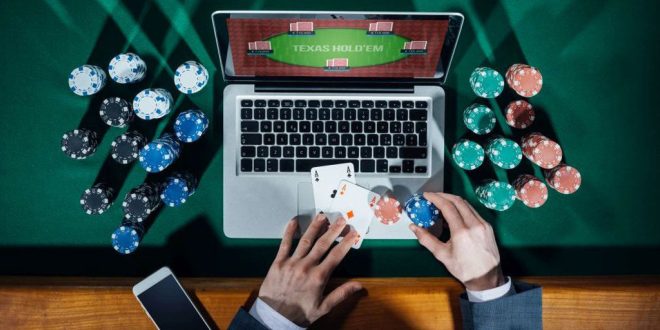
Additionally, many modern slot machines are integrating social features that allow players to connect with friends or compete for rewards. These innovations tap into the dynamics of social gaming, making it easy for players to lose track of time while engaging with others. For some, the enjoyment derived from social interaction can become an integral part of their gaming experience, further entrenching them in the cycle of play.
Online slot gaming has also embraced this social aspect, offering chat features, leaderboards, and multiplayer options. As players engage in these virtual environments, the allure of competition and community can lead to extended play sessions, making it difficult for individuals to recognize when they have crossed the line from casual enjoyment to addiction. This social dimension can intensify the experience, making it more challenging for players to walk away.
The Influence of Website Design
The design of online gambling platforms plays a significant role in increasing player addiction. Websites that offer slot machines are often visually appealing, utilizing bright colors, engaging graphics, and user-friendly interfaces to create inviting experiences. The layout is designed to keep players immersed in the gaming environment, making it easy for them to jump from one game to another without ever feeling the need to leave. This seamless navigation encourages extended playtime and can foster disconnection from reality.
Moreover, many gambling sites utilize marketing strategies that further entice players, such as welcome bonuses, free spins, and loyalty rewards. These promotions can create a sense of urgency, prompting players to take action quickly to not miss out. The allure of these offers, combined with the immediate accessibility of online slots, can lead individuals to spend more time and money than they initially intended, contributing to addictive behaviors.
Effective website design also includes features that track user engagement and spending patterns. By employing analytics, websites can tailor experiences to individual players, further enhancing the addictive nature of their platforms. Personalization can create a sense of attachment to the gaming experience, making it harder for players to detach themselves and recognize when they should take a break. Understanding the nuances of website design can offer insights into why these platforms are so powerful in the realm of gambling addiction.