Understanding Responsible Gambling
Responsible gambling is a crucial concept that emphasizes making informed and safe choices while participating in gambling activities, particularly at an australian neosurf casino , where players can enjoy various games without risking their financial stability. It involves understanding the risks associated with gambling and recognizing when it is time to stop. Players must be aware of their own limits and ensure that gambling remains a source of entertainment and not a means of solving financial problems. By cultivating a healthy gambling mindset, individuals can enjoy the thrill of the game without sacrificing their well-being.
One essential aspect of responsible gambling is recognizing that losses are part of the experience. Players should approach gambling with the mindset that they may not always win and should be prepared for the possibility of loss. This awareness can help mitigate feelings of frustration or desperation that may arise during unfavorable outcomes. It’s also vital to view gambling as a leisure activity rather than a way to earn money, as this distinction can significantly influence one’s attitude toward gameplay.
Furthermore, education plays a pivotal role in responsible gambling. Gamblers should familiarize themselves with the rules of the games they are playing and the odds involved. Understanding these elements enables players to make more informed decisions, enhancing their overall gaming experience. Casinos often provide resources and information on responsible gambling practices, which can be beneficial for both new and experienced players seeking to maintain control over their gambling habits.
Setting Limits and Budgets
Establishing financial limits is a fundamental strategy for maintaining responsible gambling habits. Before visiting a casino, individuals should determine how much money they are willing to spend and stick to that budget. This approach helps prevent impulsive spending and ensures that gambling does not negatively impact their financial situation. It’s essential to consider all potential gambling-related expenses, including travel, food, and other costs, when setting this budget.
In addition to financial limits, time management is equally important. Gamblers should allocate a specific amount of time for their casino visit and make a conscious effort to adhere to this schedule. By keeping track of the time spent gambling, individuals can prevent extended sessions that may lead to fatigue and poor decision-making. Many casinos offer digital tools to help players monitor their playtime, serving as an effective reminder to take breaks and assess their gaming experience.

Players might also consider using a tracking system to log their wins and losses. This practice provides clarity on their overall gambling activity and can highlight patterns that may require attention. By keeping a record, gamblers can better understand their behavior and make necessary adjustments to their strategies, reinforcing a sense of accountability in their gambling practices.
Utilizing Self-Exclusion Programs
Many casinos and gaming establishments offer self-exclusion programs, which allow players to voluntarily ban themselves from gambling activities for a specified period. These programs can be beneficial for individuals who recognize they need to take a break from gaming to regain control over their habits. Self-exclusion can serve as a preventive measure, reducing the risk of impulsive decisions that could lead to significant losses or emotional distress.
Enrolling in a self-exclusion program typically involves filling out a form and specifying the duration of the ban. Some programs may offer additional support services, such as counseling and resources for problem gambling. Individuals who take this step are often provided with information on responsible gambling practices, alongside contact details for support organizations that can help them through their journey.
Support from friends and family is also encouraged during this time. Those close to the individual can play a key role in helping them stick to their self-exclusion commitments. Establishing a supportive network enhances accountability and promotes healthier habits. By fostering open communication about gambling behaviors and the associated challenges, individuals can create a stronger foundation for recovery and responsible gambling practices.
Recognizing Signs of Problem Gambling
Being able to identify the signs of problem gambling is essential for both individuals and their loved ones. Recognizing these signs early can facilitate timely intervention and support. Common indicators include an inability to control gambling behavior, playing for longer than intended, or experiencing feelings of guilt or anxiety related to gambling. When individuals start to prioritize gambling over relationships, work, or other responsibilities, it is crucial to seek help.
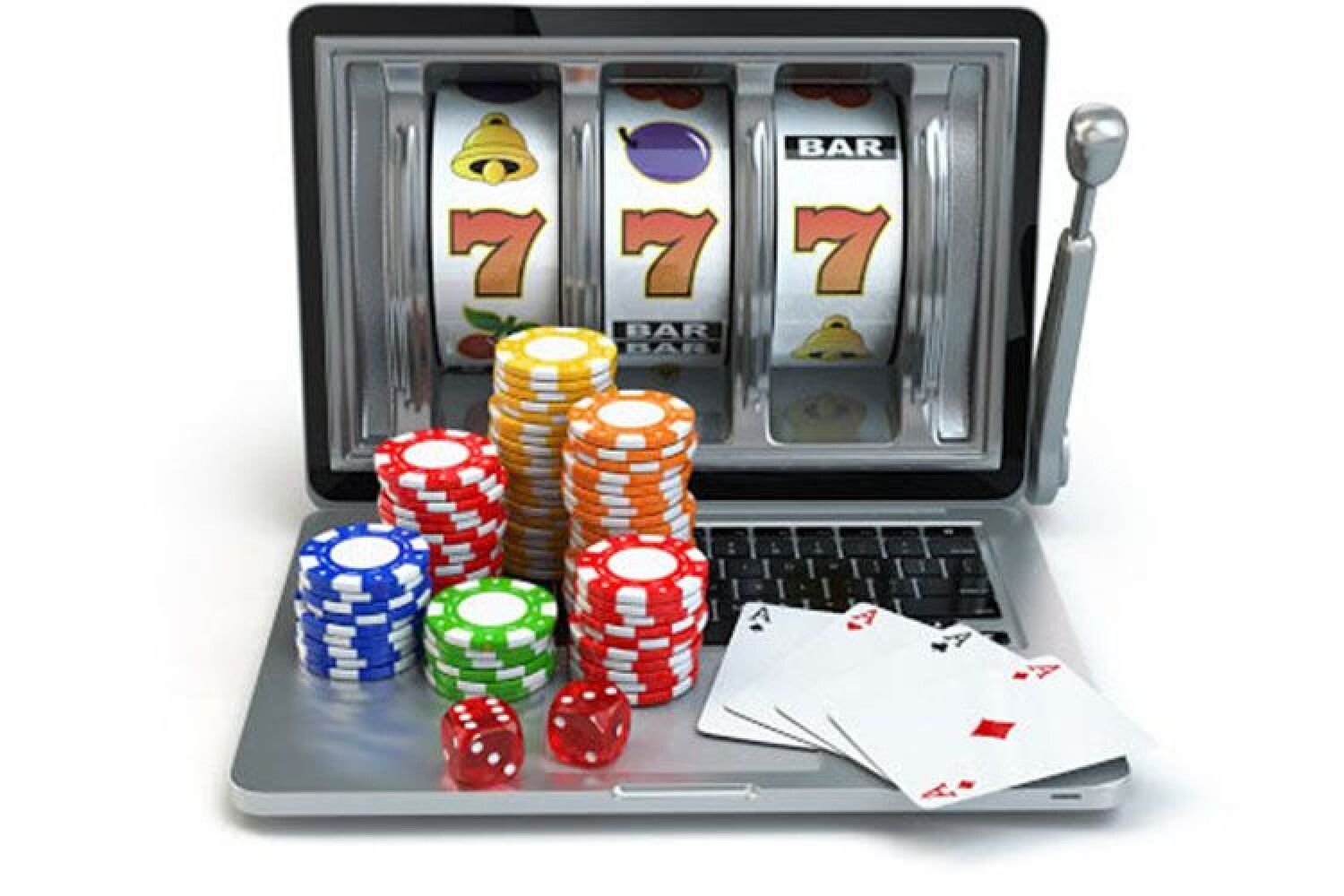
Another significant red flag is the reliance on gambling as a source of financial stability. If an individual finds themselves chasing losses or using borrowed money to continue gambling, it may indicate a problematic relationship with the activity. Awareness of these behaviors is vital, as acknowledging them is the first step toward making positive changes. Individuals struggling with problem gambling should not hesitate to reach out for support or counseling services tailored to provide assistance.
Moreover, educating oneself and others about the psychological aspects of gambling can foster a more profound understanding of its effects. Awareness of triggers, such as stress or significant life changes, can also help individuals modify their gambling habits and choose healthier coping mechanisms. By promoting an environment where discussions about gambling are open and stigma-free, communities can encourage those in need to seek help and pursue responsible gaming practices.
Resources for Responsible Gambling
Various resources are available for individuals seeking to maintain responsible gambling habits. Many casinos implement programs and provide literature focused on responsible gambling practices, offering information on how to gamble safely and responsibly. These initiatives demonstrate a commitment to player wellbeing and often include contact information for local support services that specialize in problem gambling.
Online platforms can also serve as valuable resources. Numerous organizations focus on providing education and support for those grappling with gambling-related issues. These platforms offer various tools, such as self-assessment quizzes, forums for discussion, and access to professional counseling services. Utilizing these resources can empower individuals to make informed decisions and cultivate healthier gambling behaviors.
In addition, community outreach programs play a vital role in raising awareness about responsible gambling. Local support groups, workshops, and seminars can provide opportunities for individuals to connect with others who share similar experiences. Engaging in such initiatives not only fosters a sense of community but also reinforces the message of responsible gambling, allowing individuals to learn and grow in a supportive environment.